
1. What is Tax Avoidance?
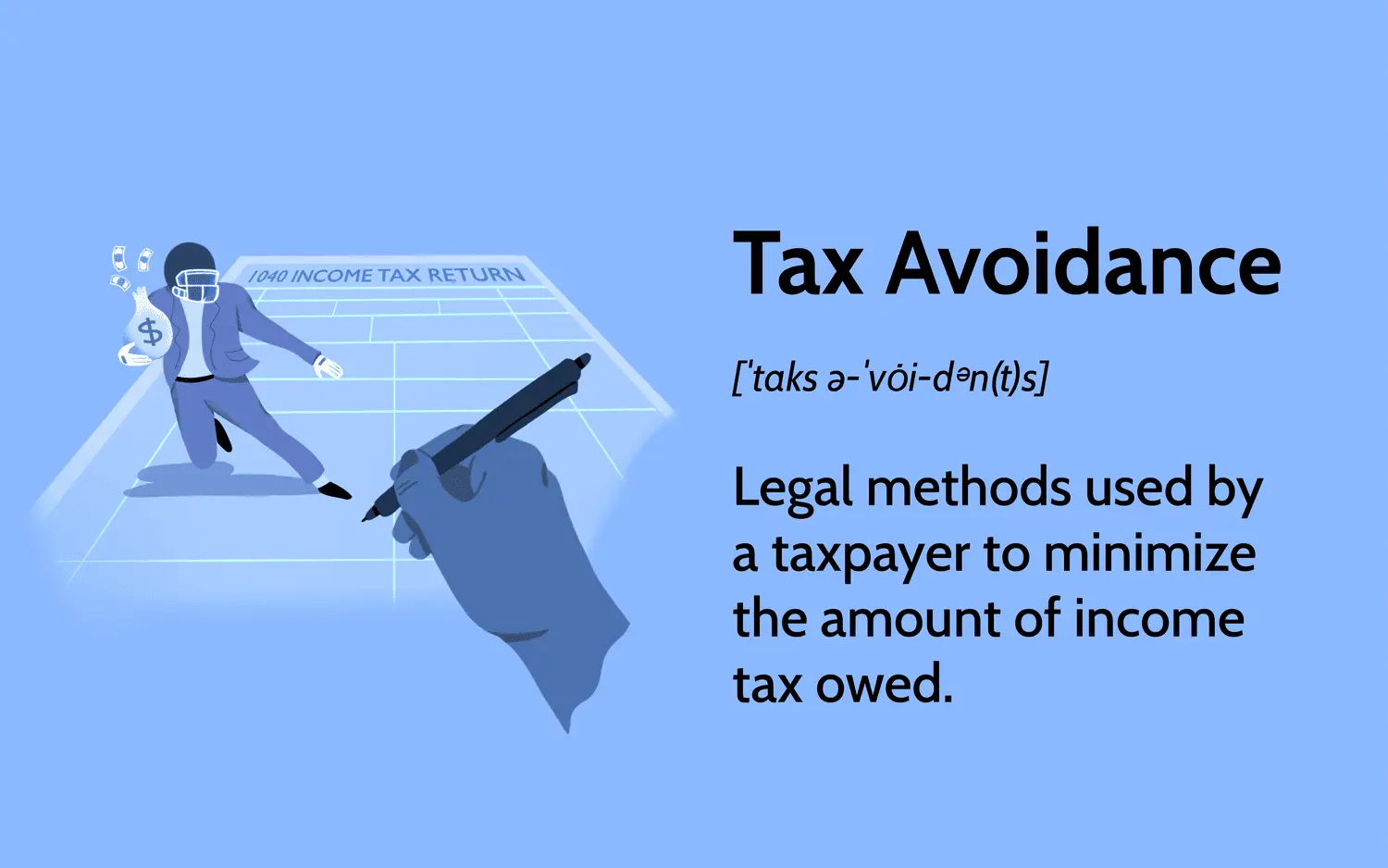
Tax avoidance Malaysia refers to using legitimate strategies within tax laws to minimise tax liability. This is often done through proper tax planning, claiming available deductions, or utilising tax incentives provided by the government.
Examples of legal tax planning Malaysia may include:
- Claiming allowable tax deductions and reliefs
- Structuring business transactions efficiently
- Using available tax incentives or exemptions
- Planning the timing of income or expenses
Although tax avoidance is generally legal, tax authorities may still review arrangements that appear artificial or designed purely to reduce tax obligations.
2. What is Tax Evasion?
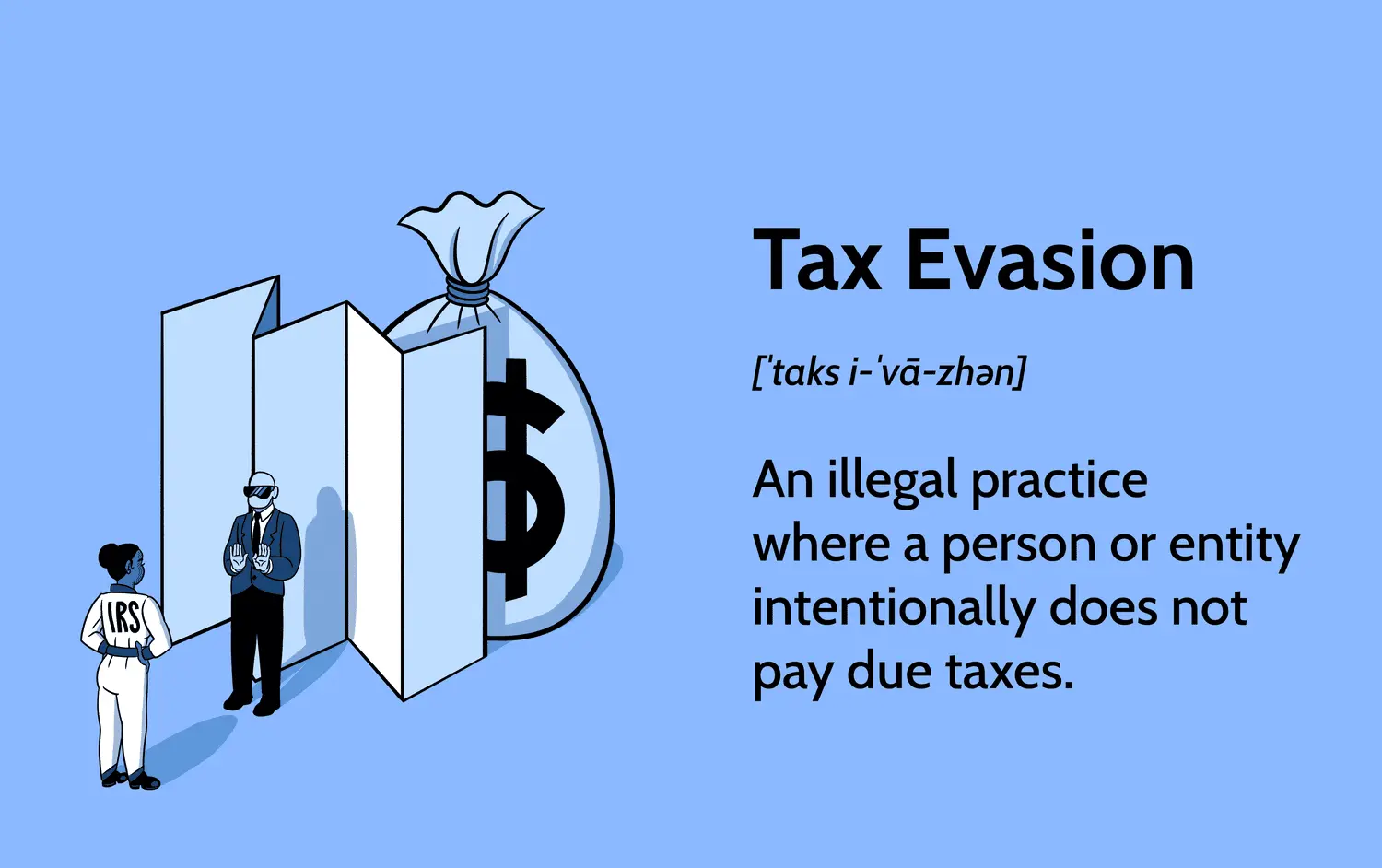
Tax evasion Malaysia is a criminal offence involving intentional misrepresentation of financial information to reduce tax liability.
Unlike tax avoidance, tax evasion involves dishonest practices that violate tax laws.
Common examples of tax evasion include:
- Underreporting income
- Falsifying financial records
- Inflating or claiming false deductions
- Hiding assets or income from tax authorities
Because these actions involve deliberate deception, tax evasion penalties Malaysia can include heavy fines, additional tax assessments, or even imprisonment.
3. Anti-Avoidance Rules Under Malaysian Tax Law

To prevent abusive tax strategies, the Income Tax Act 1967 Malaysia contains provisions that allow tax authorities to challenge arrangements that are primarily designed to avoid tax.
Malaysia’s tax system includes tax anti avoidance rules Malaysia, particularly under Section 140 and related provisions. These rules give the Director General of Inland Revenue the authority to disregard or adjust certain transactions if they are considered artificial or lacking genuine commercial purpose.
Under these provisions, the tax authority may:
- Reassign income from one person to another
- Revise a taxpayer’s tax liability
- Issue additional tax assessments
- Deny tax refunds that were previously granted
These powers support stronger LHDN tax enforcement and help maintain fairness in the tax system.
4. Importance of Legal Tax Planning and Compliance

While taxpayers naturally want to minimise their tax burden, it is important to distinguish between acceptable tax planning and illegal tax evasion.
Maintaining proper Malaysia tax compliance means ensuring that:
- All income is accurately declared
- Tax returns are submitted correctly
- Financial records are properly maintained
- Tax planning strategies comply with the Income Tax Act 1967 Malaysia
Responsible legal tax planning Malaysia allows individuals and businesses to optimise their tax position while remaining fully compliant with Malaysian tax regulations.
Tax Avoidance and Tax Evasion in Malaysia: Understanding the Difference