
What Is a Loan Agreement?
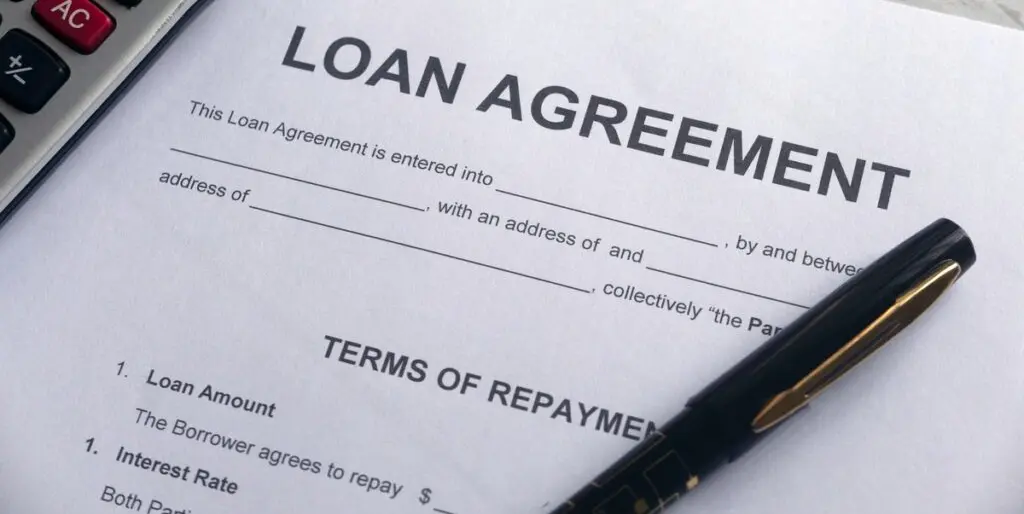
A Loan Agreement is a legally binding contract between a lender and a borrower that sets out the terms and conditions of a loan.
It clearly states:
- The loan amount
- The interest rate (if any)
- Repayment schedule
- Rights and obligations of both parties
It can be used by:
- Individuals lending to friends or family
- Businesses lending to other businesses
- Shareholders lending money to their own company
Its main purpose is to protect the lender if the borrower fails to repay as agreed.
When Should You Use a Loan Agreement?

You should use a Loan Agreement when:
- You are lending money and want clear repayment terms
- You are borrowing money and want clarity on your obligations
- The loan includes interest
- The loan will be repaid in installments
- You want legal protection in case of default
Even private or family loans should be documented to prevent misunderstandings.
Key Terms in a Loan Agreement
Loan Amount (Principal)
The total amount borrowed.
Interest Rate
The percentage charged on the loan (if applicable).
Note: Many jurisdictions have usury laws that limit how much interest can legally be charged.
Repayment Terms
How and when the borrower must repay the loan.
Late Payment Charges
A fixed fee or penalty if a scheduled payment is missed.
Default Rate
A higher interest rate that applies if the borrower fails to pay on time.
These terms ensure both parties understand exactly what is expected.
Repayment Options
Loan Agreements usually include one of these repayment structures:
- Installments of principal and interest (like a home loan)
- Interest-only payments, with principal due later
- Lump sum payment on a specific date
- Payable on demand, meaning the lender can request repayment anytime
The structure chosen depends on the agreement between both parties
What Happens If the Borrower Defaults?
A “default” occurs when the borrower fails to meet the agreed terms.
Common consequences include:
- Late fees
- Higher default interest rate
- Lender demanding immediate full repayment
- Legal action to recover the outstanding amount
- Borrower paying legal and collection costs

Secured vs Unsecured Loan Agreements

A Loan Agreement can be:
🔹 Unsecured
No collateral is required. The lender relies purely on the borrower’s promise to repay.
🔹 Secured
The loan is backed by collateral such as:
- Personal property (via a Security Agreement)
- Real estate (via a Mortgage or Deed of Trust)
If the borrower fails to repay, the lender can seize or sell the collateral to recover the money.
Secured loans provide stronger protection for lenders.

Penny Lim , Legal Consulting
Ms. Penny is responsible for identifying possible legal issues and implementing solutions in the areas of government regulation, customer protection, and fair employment. Legal Counsel. Ms. Penny can advise on legal issues such as government and business permits, review legal documents before signing them, and complete legal research as needed by the company

Need Assistance with Loan Agreement?
A Loan Agreement is more than just paperwork, it is legal protection. If significant amounts or collateral are involved, it is advisable to consult a lawyer to ensure compliance with local laws and interest regulations.
Loan Agreement: What You Need to Know Before Lending or Borrowing Money