
Understanding Tenancy Agreements in Malaysia
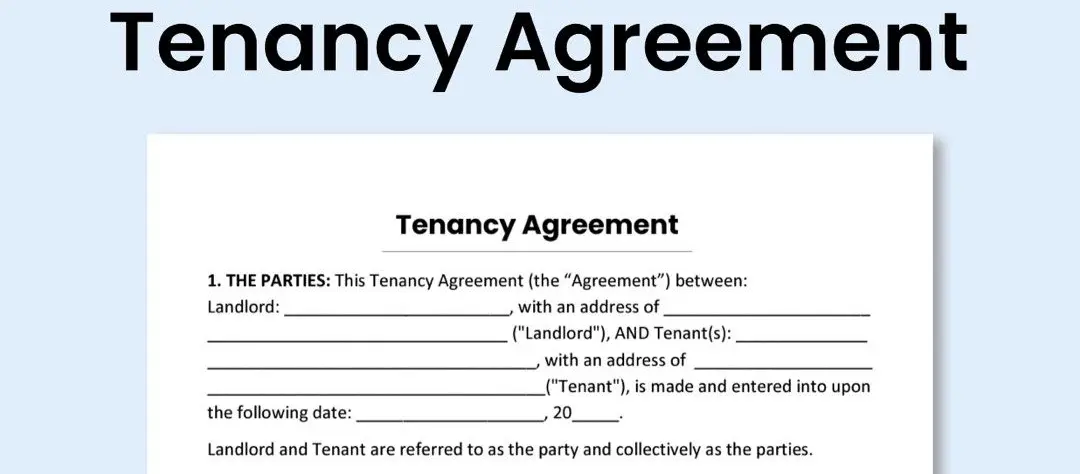
A tenancy agreement is a legally binding contract between a landlord (property owner) and a tenant (occupant). It outlines the agreed terms of rental, including:
- Rental amount and payment schedule
- Duration of tenancy
- Responsibilities of both parties
- Conditions for early termination
- Deposit arrangements
- Permitted and prohibited use of the property
Unlike some countries, Malaysia does not currently have a specific Residential Tenancy Act. Instead, tenancy matters are governed under:
- Contracts Act 1950 – governing enforceability of agreements
- National Land Code 1965 – covering property ownership and land matters
- Malaysian common law principles applied by the courts
Because there is no specific tenancy legislation, the written agreement becomes extremely important. Poor drafting can result in costly disputes and legal uncertainty.
Difference Between Tenancy and Lease in Malaysia
Many people use these terms interchangeably, but legally they differ:
Tenancy
- Duration: Less than 3 years
- Not required to be registered at the Land Office
- Common for residential and small business rentals
Lease
- Duration: More than 3 years
- Must be registered under the National Land Code
- Typically used for commercial or long-term arrangements
Most residential rentals in Malaysia fall under a tenancy agreement.
Essential Clauses in a Tenancy Agreement
1. Parties Involved
- Full name and identification details of landlord and tenant
- Company details if either party is a corporate entity
2. Property Details
- Full address
- Type of property
- List of furniture, fixtures, and appliances included
3. Duration of Tenancy
- Commonly 12 or 24 months
- Renewal option and notice period requirements
4. Rental Payment Terms
- Monthly rental amount
- Due date and payment method
- Late payment penalties
5. Deposit Structure
Standard Malaysian practice typically includes:
- 2 months security deposit
- 0.5 month utility deposit
- 1 month advance rental
The agreement should clearly state when and how deposits will be refunded, subject to deductions for damages or outstanding payments.
6. Responsibilities of Landlord
- Payment of quit rent and assessment tax
- Structural and major repairs
- Ensuring property is habitable
7. Responsibilities of Tenant
- Utility payments
- Minor repairs due to negligence
- Maintaining property condition
- No subletting without written consent
8. Termination Clause
- Standard written notice (commonly 2 months)
- Diplomatic clause for early termination
- Penalties for breach
9. Renewal and Rental Review
- Renewal terms
- Potential rental adjustment mechanism
10. Prohibited Activities
- Illegal activities
- Structural alterations without approval
- Pets (if prohibited by management rules)
Why Stamping the Tenancy Agreement Is Important

Tenancy agreements in Malaysia must be stamped at Lembaga Hasil Dalam Negeri (LHDN) within 30 days of signing.
Stamp duty makes the agreement legally admissible in court. Without stamping, the agreement may not be enforceable in legal proceedings.
Stamp Duty Rates for Tenancy Agreements
Stamp duty is calculated based on annual rental:
- 1 year or less → RM1 for every RM250 of annual rent
- 1–3 years → RM2 for every RM250
- More than 3 years → RM4 for every RM250
Although parties may agree on who bears the cost, tenants commonly pay the stamp duty.
Common Tenancy Disputes in Malaysia

1. Security Deposit Disputes
Disagreements often arise regarding deductions for damages. Proper documentation and handover photographs help prevent conflicts.
2. Late or Unpaid Rent
Landlords must follow legal procedures to evict tenants. Self-help actions such as changing locks are unlawful.
3. Repair Responsibilities
Unclear wording leads to disputes over who bears repair costs. Clear drafting prevents misunderstandings.
4. Early Termination
Without a diplomatic clause, tenants may lose deposits. Agreements should clearly address compensation terms.

Penny Lim , Legal Consulting
Ms. Penny is responsible for identifying possible legal issues and implementing solutions in the areas of government regulation, customer protection, and fair employment. Legal Counsel. Ms. Penny can advise on legal issues such as government and business permits, review legal documents before signing them, and complete legal research as needed by the company

Need Assistance with Tenancy Agreement?
We provide professional services for drafting and reviewing Tenancy Agreements to ensure clear and legally binding terms for both landlords and tenants.
Tenancy Agreements in Malaysia: A Complete Guide for Landlords and Tenants